


ABOUT ULTRAVIOLET (UV) SENSORS
Ultraviolet (UV) sensors are essential components in any UV water purification system. They continuously monitor the intensity of UV light inside the chamber to ensure your water is being properly disinfected. When lamp output starts to drop or mineral buildup on the quartz sleeve reduces light transmission, the UV sensor detects it—allowing the system to alert you before water safety is compromised.
With real-time monitoring, the UV sensor ensures your system maintains peak performance and consistent protection against bacteria, viruses, and cysts. Replacing or recalibrating the sensor at manufacturer-recommended intervals helps ensure reliable operation and supports compliance with U.S. standards such as NSF/ANSI 55 Class A where applicable.
Aquatell offers a selection of genuine replacement UV sensors from trusted brands like Viqua. These sensors are built for accurate compatibility and long-lasting performance, meeting rigorous North American quality and safety expectations. All sensors ship quickly from within North America for fast and dependable delivery.
Not sure which UV sensor is right for your system? Our Certified Water Specialists are here to help you identify the correct part—ensuring accurate monitoring, reliable protection, and total peace of mind.
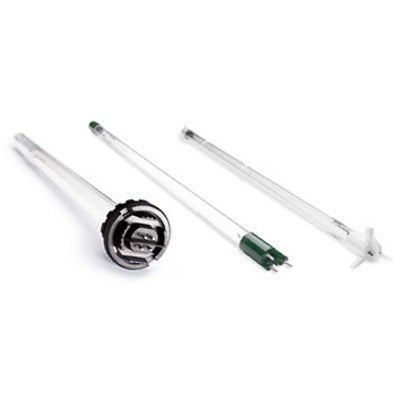
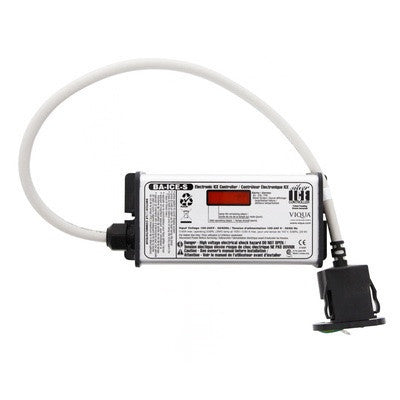
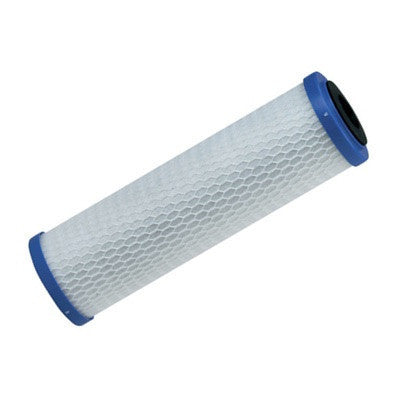
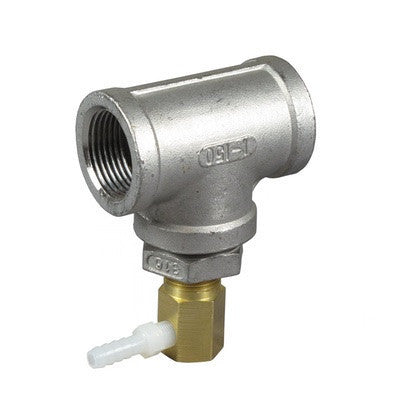
EVERYTHING ELSE YOU NEED FOR FULL UV PROTECTION
AQUATELL - POWERED BY EXPERTISE. PROVEN BY QUALITY.