Products
  • Ultraviolet (UV) Water Filter Treatment Systems

    EVERYTHING ELSE YOU NEED FOR FULL UV PROTECTION

    THE AQUATELL UV EXPERIENCE, IN OUR CUSTOMERS’ WORDS

    WHAT SHOULD I CONSIDER BEFORE PURCHASING A UV WATER TREATMENT SYSTEM?

    What safety, certification, and regulatory considerations should I keep in mind when choosing a UV water treatment system?

    When selecting a UV system, look for units that are tested and certified to NSF/ANSI 55, with Class A models intended for microbiologically unsafe water and Class B models for supplemental disinfection. Ensure the system carries recognized electrical safety certifications such as UL, CSA, or CE. Also be aware that some municipalities—particularly for private well water—require proof of Class A certification to meet local regulations.

    What water quality and system sizing factors should I consider before installing a UV water treatment system?

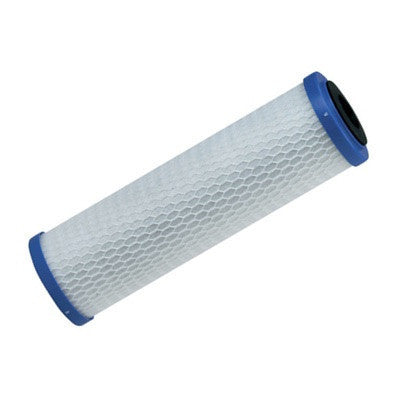
    UV systems require clear water to function properly, so pretreatment is often necessary—sediment, iron, manganese, and tannins can block UV light, and most installations include a 5-micron sediment filter upstream. It’s also important to size the UV system according to the home or building’s peak flow rate (such as 10, 15, or 18 GPM). Choosing a unit that’s too small can result in insufficient UV exposure and unsafe disinfection.

    What maintenance considerations should I be aware of for the lamp and quartz sleeve in a UV water treatment system?

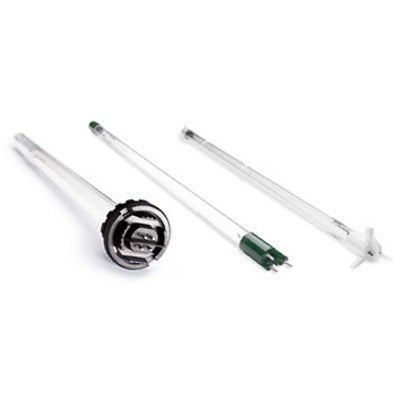
    UV lamps gradually lose intensity and typically need to be replaced every 12 months, even if they still appear to be glowing. The quartz sleeve that protects the lamp can accumulate mineral deposits and should be cleaned or replaced on a regular schedule, with many systems requiring a sleeve replacement roughly every two years. It’s also important to ensure that replacement lamps and sleeves are easy to source and that they are authentic, brand-specific parts rather than generic versions, which may underperform. Buying replacements in bulk can help ensure availability when needed.

    What monitoring and safety features should I look for in a UV water treatment system?

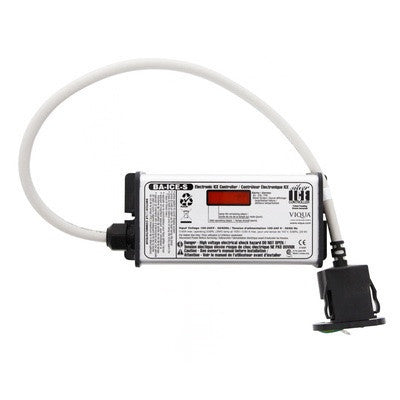
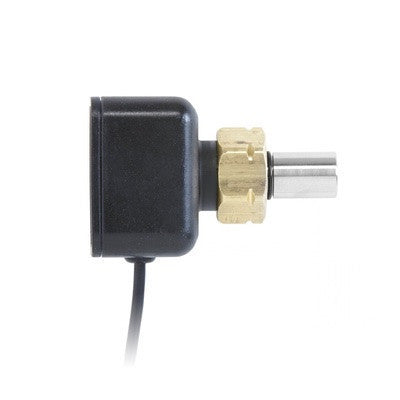
    Many advanced UV systems include sensors that monitor UV intensity and alert you if the output falls below safe disinfection levels. Systems may also offer visual or audible alarms, and some incorporate solenoid shutoff valves that stop water flow when UV performance is inadequate. For critical applications such as cottages or small businesses, it’s worth considering a fail-safe design with automatic shutoff to ensure that untreated water cannot pass through the system.

    What installation and practical-use factors should I consider before setting up a UV water treatment system?

    UV systems need adequate space for the stainless steel chamber, power supply, and any required pretreatment filters, and most units must be installed horizontally with enough clearance to remove and replace the lamp and quartz sleeve. A nearby electrical outlet is necessary, and many systems include power supplies built for long-term reliability. It’s also important to protect the installation area from freezing temperatures and direct sunlight, and to dispose of all components—including lamps and quartz sleeves—safely at the end of their service life.

    AQUATELL - POWERED BY EXPERTISE. PROVEN BY QUALITY.